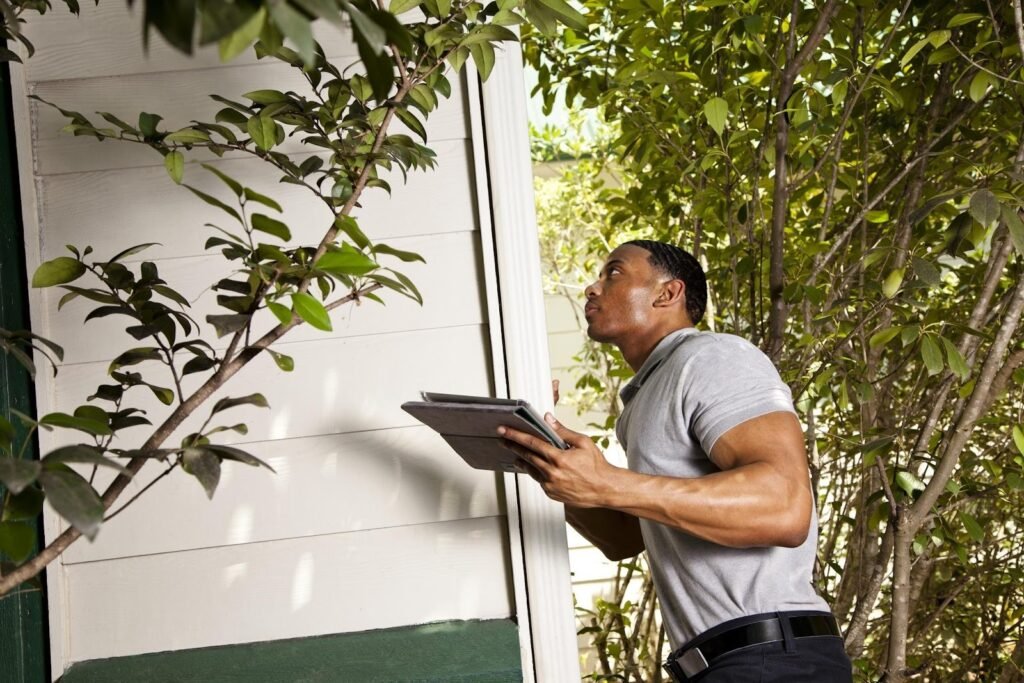
A home inspection is a detailed evaluation of a property’s condition, designed to identify visible issues that could affect safety, value, or long-term maintenance. The goal is not to predict the future but to provide a clear snapshot of the home at the time of inspection. A professional Home Inspector follows established standards to ensure consistency and accuracy while examining the property. This process helps buyers make informed decisions and gives sellers insight into potential concerns. From structural stability to system functionality, the inspection focuses on major components that influence livability. By understanding the purpose of the inspection, homeowners can better appreciate why certain areas receive close attention and why minor cosmetic flaws are usually noted but not emphasized as critical problems.
Evaluating the Structural Components of the Home
One of the first priorities during an inspection is the home’s structure. This includes the foundation, walls, floors, ceilings, and roof framing. A Home Inspector looks for cracks, uneven surfaces, signs of settling, and water intrusion that could indicate structural weakness. In the attic and basement, they check for proper support, moisture damage, and signs of pests. Structural integrity is essential because problems in this area can be costly to repair and may affect the safety of occupants. While inspectors do not perform invasive testing, their trained eye can often identify warning signs that suggest the need for further evaluation by a specialist, helping buyers avoid unexpected expenses later.
Inspecting the Roof, Exterior, and Drainage Systems
The exterior of the home is another major focus area. Inspectors assess the roof for damaged shingles, flashing issues, and signs of leaks that could allow water into the home. Gutters, downspouts, and grading around the property are also examined to ensure water is directed away from the foundation. Siding, windows, doors, and exterior surfaces are checked for deterioration, rot, or gaps that could lead to energy loss or moisture problems. A Home Inspector understands that exterior issues often contribute to interior damage if left unaddressed. Proper drainage and a well-maintained exterior play a key role in protecting the home’s structure and preserving its overall condition.
Reviewing Electrical, Plumbing, and HVAC Systems
Core systems are critical to daily comfort and safety, so inspectors carefully evaluate electrical, plumbing, and heating and cooling components. Electrical panels, wiring, outlets, and fixtures are checked for proper installation and potential fire hazards. Plumbing systems are inspected for leaks, water pressure issues, and visible pipe damage. Heating, ventilation, and air conditioning systems are tested to confirm they operate as intended. A Home Inspector does not guarantee system longevity but reports on current performance and visible concerns. Identifying outdated components or safety risks in these systems allows buyers to plan upgrades and helps sellers address issues that could otherwise delay a transaction.
Assessing Interior Spaces, Safety, and Final Observations
The final stage of an inspection involves reviewing interior areas such as kitchens, bathrooms, bedrooms, and living spaces. Inspectors look for signs of water damage, poor ventilation, faulty fixtures, and safety concerns like missing handrails or non-functioning smoke detectors. Appliances included in the sale are typically tested for basic operation. Throughout the process, clear notes and photos are taken to support the final report. The completed inspection report summarizes findings in an easy-to-understand format, highlighting major concerns and maintenance items. This comprehensive approach ensures buyers and sellers receive practical information they can rely on when making important property decisions.